Another Korean performer has had to call off their American tour. The record label H1GHR MUSIC revealed the bad news on Tuesday, saying that rapper pH-1's tour was no more. While he's not an idol, the cancelation is part of a broader trend that has been plaguing Korean and Kpop artists, with acts like RIIZE, KARD, and BLACKSWAN all suffering show stoppers this year. Why are so many performances getting cut, and can anything be done about it?
Looking for reasons
There have been many reasons suggested for all the cancelations, from expensive ticket prices driving people away to an oversaturation of the market where too many Korean acts are fighting for the same limited pool of fans. Figure 1 shows the average cost of a concert ticket for Kpop (light blue line; data collected by myself) against one for any genre of music (gold line; data collected from Pollstar). The dark blue bars represent a selection of twenty Kpop girl groups that toured over the past decade. Eighteen of them had at least one leg in the United States.
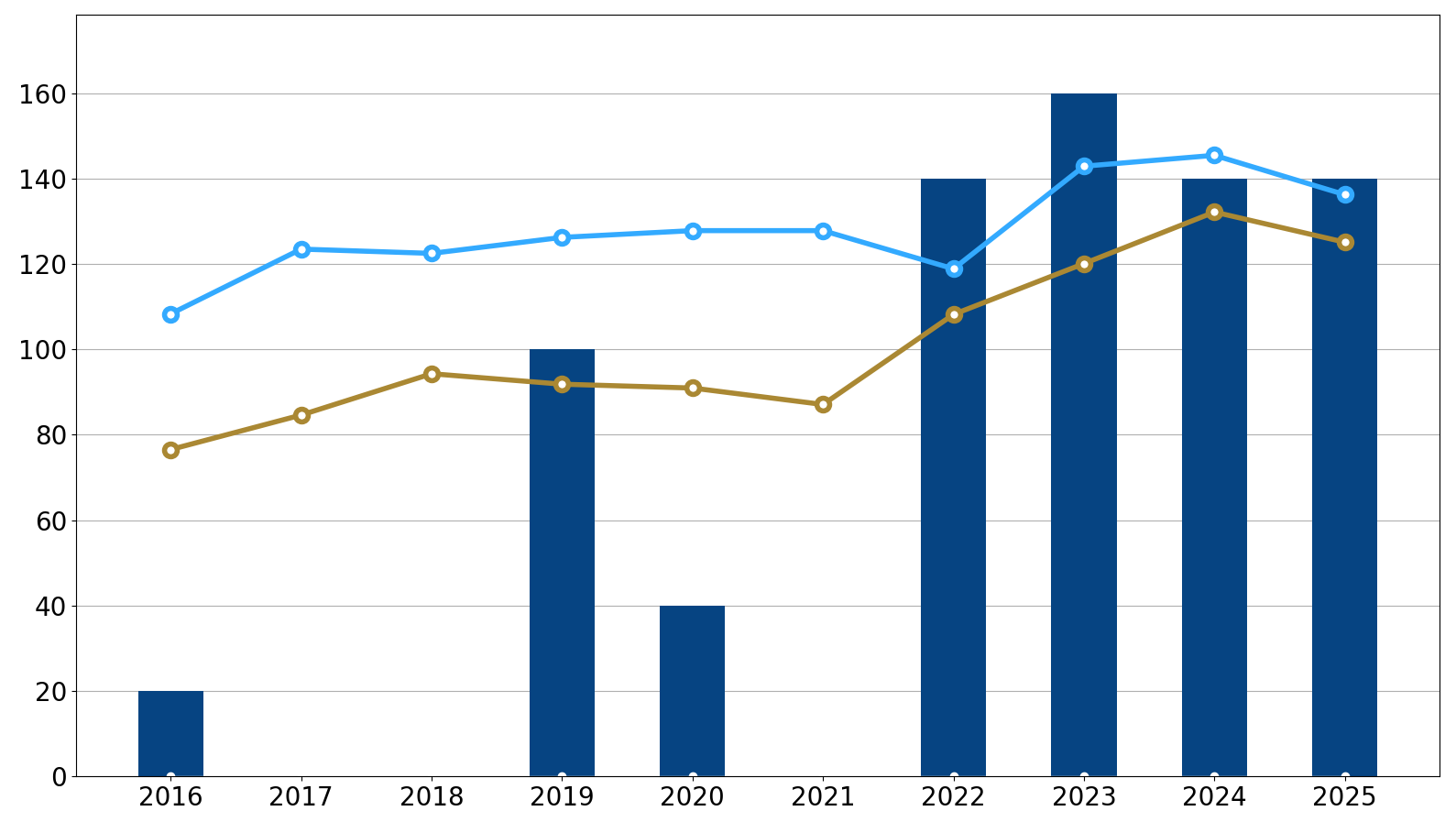
The data reveals that while the average price of a ticket in the US has nearly doubled over the past ten years, for Kpop it has only increased by upwards of a third. So fans are not wrong in their assertion that the amount has gone up. However, while the cost has risen, it's not nearly as big of an increase as I had assumed given the complaints I've seen. So why do they seem more expensive? Some reasons include dynamic pricing, scalpers, VIP packages, and fees. That doesn't include the general inflation of everything else such as travel expenses, hotels, and food that many concert-goers will need to deal with. And given the worsening economic outlook, it may become increasingly difficult for fans to justify going a show, especially if the real price remains high.
Tickets aside, the suggestions are also correct about there being an increase in the amount of Korean performers touring the country. This could definitely drive people towards being more selective about which shows they are willing to attend. Because of this, companies may overanticipate demand, resulting in lower attendance than expected. In some cases this may result in the event getting axed.
The third reason that sometimes gets brought up is that the current Hallyu wave has already crested and we're now heading towards a trough. I've written about it before, where there is evidence that shows that Kpop streaming may be stagnant, indicating a flat or declining interest in the genre. This could suggest that the industry is struggling to gain new fans. However, with China opening itself back up and both BTS and BLACKPINK having comebacks and tours, we could see a revival among the community. This comes after Kpop Demon Hunters brought alot of interest to TWICE and the genre, perhaps further setting the foundation for a large number of new concert attendees.
The last factor is the murky realm of visa issues. Although they're often cited as the reason for shows getting scrubbed—with at least seven acts claiming so—it's impossible to determine if visas were truly the cause for cancelation, or just being used as a cover for some other issue such as low ticket sales. While it's true that policy changes have been made recently, it's also been pointed out that visas have been a problem for a long time.
How might Kpop companies adjust to this?
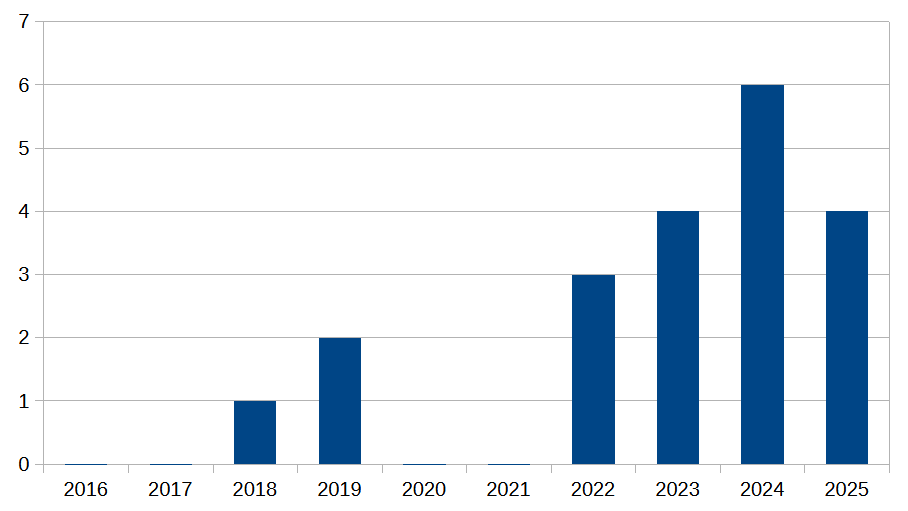
As I mentioned in my other article, if Kpop companies are finding it difficult to get enough concert ticket sales then there are a few approaches they could take such as focusing on key cities like Los Angeles or picking smaller venues. They could also diversify away from the US, placing more emphasis on China and Europe for future performances. Europe for its part has seen its own share of cancelations, yet remains a market where tours continue to have legs (see Figure 2).
Some groups could also opt for festivals instead such as KCON and SMTOWN while they wait for the economy to recover, or they could alternatively do more openings for shows, like with VCHA and xikers. Additionally, fans don't have to wait for companies to do things either as fandoms have actively worked with promoters in the past to secure concerts for groups like Dreamcatcher.
Overall though, I think that the situation may require a multi-pronged approach if we want to continue to see our favorite idols in person.